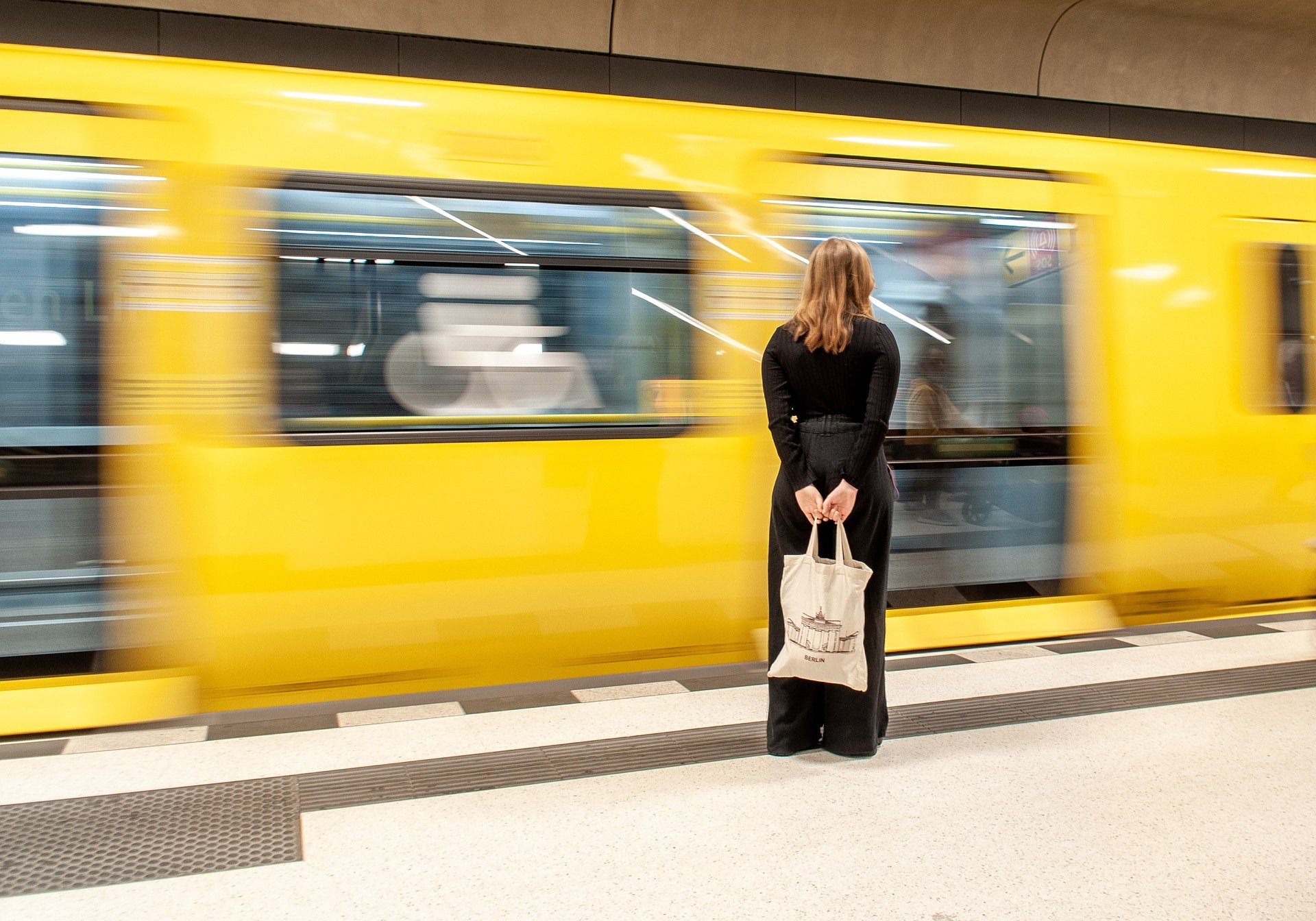
Infrastructure
The infrastructure interface uses passive means to obtain information on the routes to travelled by the SAMU equipped vehicle. This can be achieved e.g. by evaluating the signal light current. In this way, a passive, yet safe means of interpreting the current movement authority is obtained.
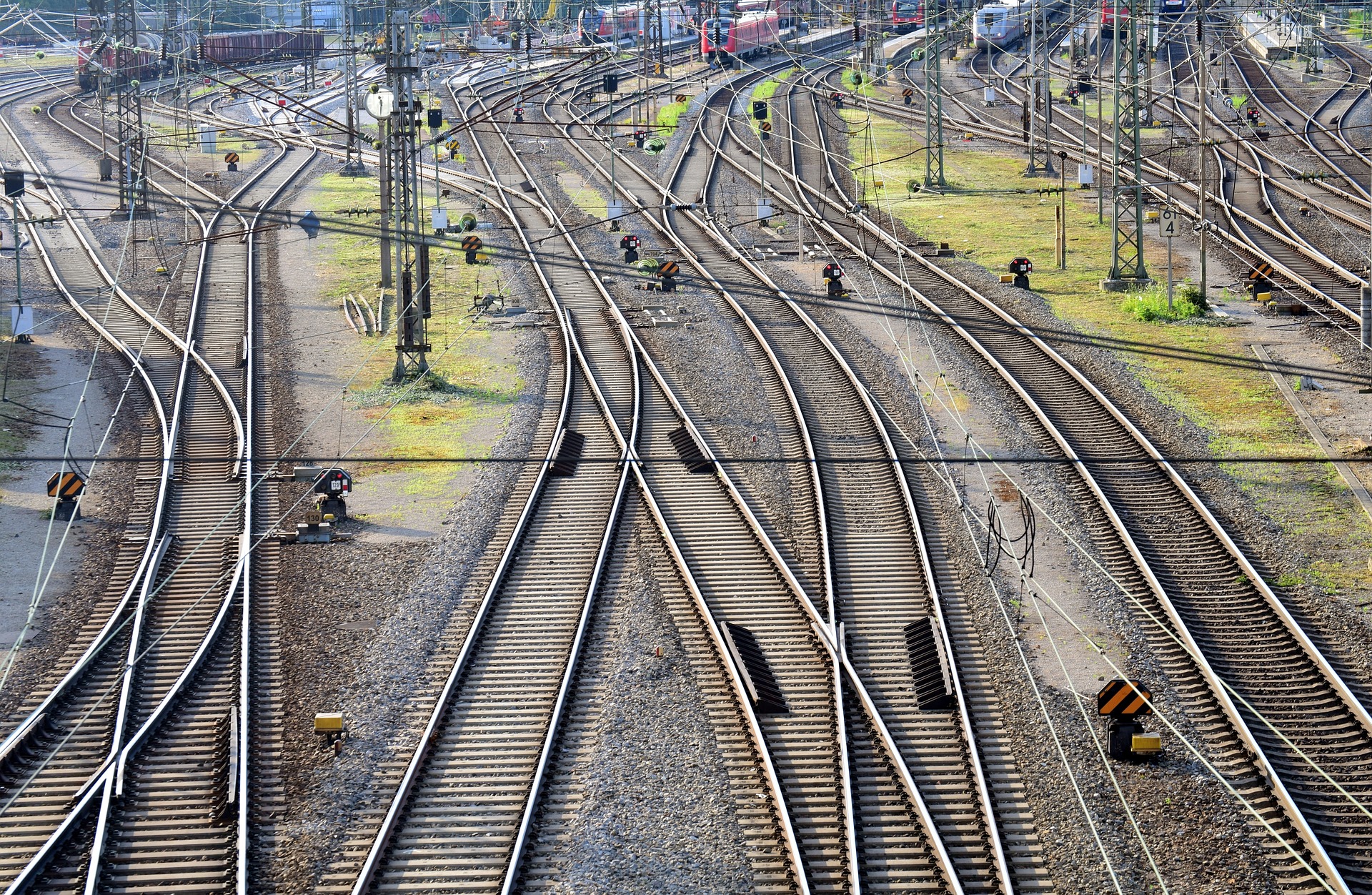
Communication
The communication between the land-side and the vehicle unit is achieved by a short-range radio communication between a loop on track level and dedicated transducers. This makes the communication highly available, safe and secure. Further, this approach can combine communication and localisation.
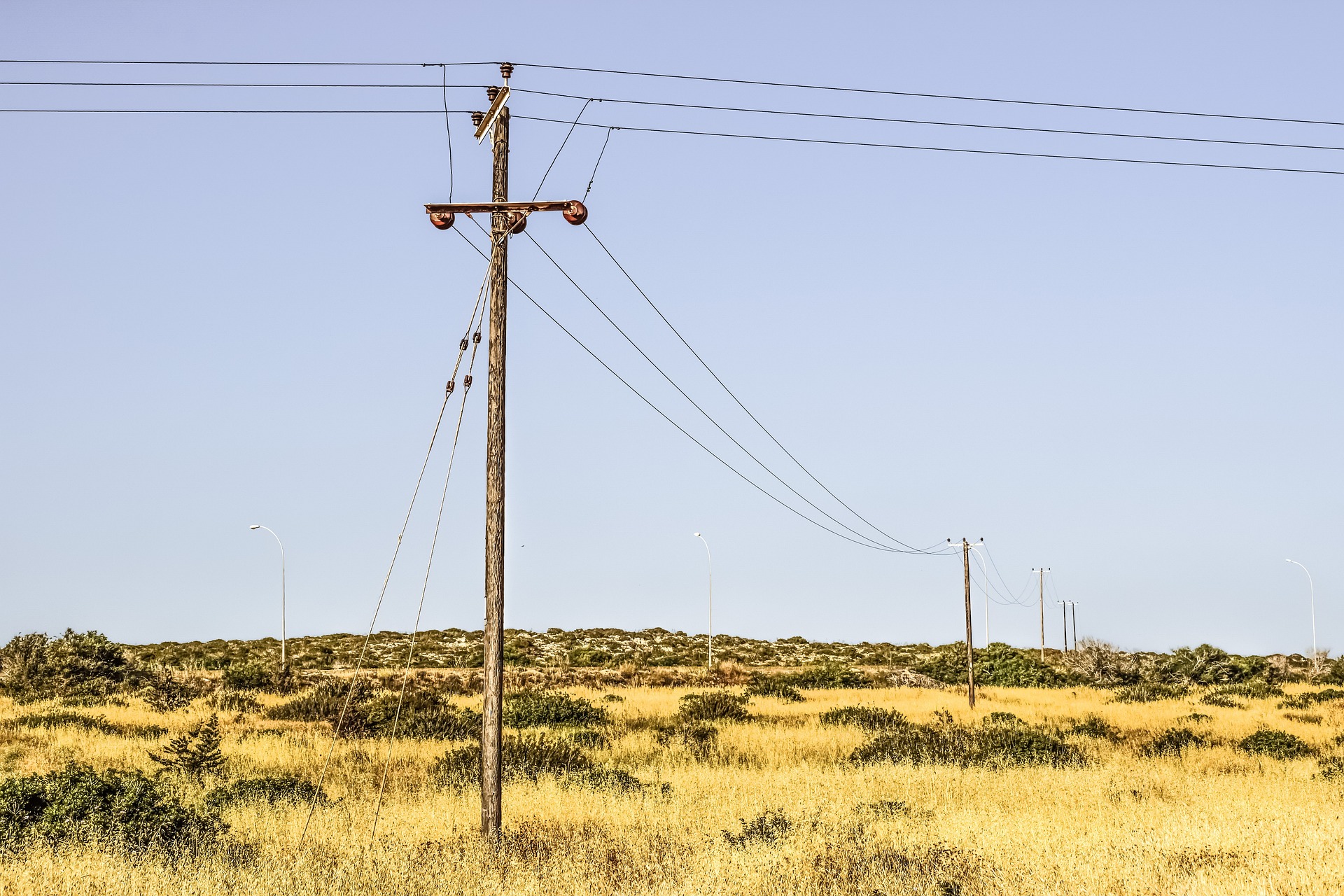
Vehicle
The vehicle unit features a smart edge device, combined with stereo vision and a 3D-laser-scanner. It acts track agnostic, i.e. does only rely on artificial intelligence for assistance function, but not for safety-critical decisions.
Find further details on our approach in our IRSA 2023 publication.